
When Should You Hire a Divorce Attorney in Florida: Essential Timeline and Legal Considerations
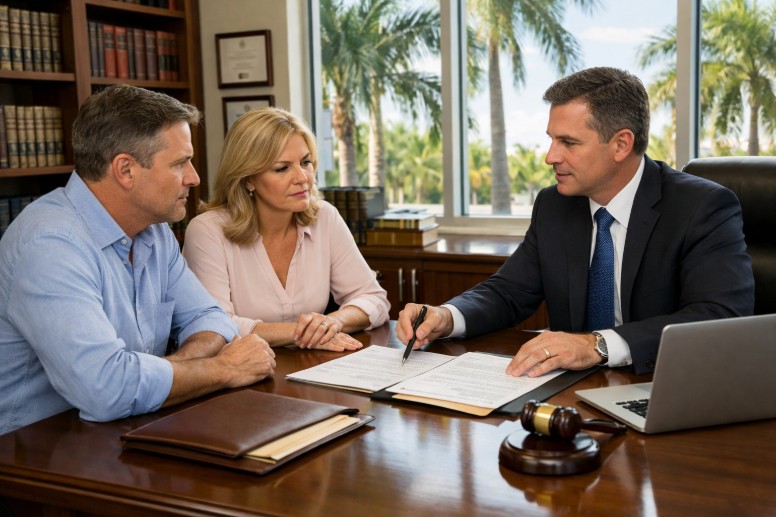
Getting divorced in Florida raises many questions, but the key one is when to get legal help.
You don’t have to hire a lawyer to file for divorce here, but proceeding without one can lead to costly mistakes and unfair outcomes.
The best time to hire a divorce attorney in Florida? As soon as you think divorce is likely, especially if kids, property, or any disagreements are on the table.
Florida law allows you to represent yourself, but understanding the legal requirements and procedures requires knowledge most people lack. Even divorces that seem simple can get complicated fast.
If you wait too long to seek legal advice, you may limit your options or have a harder time protecting your rights.
Some situations call for immediate legal help, while others might let you wait or even handle things on your own.
Knowing the difference can save you both money and stress. Let’s dig into when you really need a Florida divorce lawyer and what to look for when hiring one.
Key Takeaways
- Hire a divorce attorney right away if your spouse already has one, if there are disputes about children or property, or if you’re worried about being treated unfairly.
- It’s usually safe to handle an uncontested Florida divorce without a lawyer only when both parties agree on everything, and there are no complicated assets or kids involved.d
- Bring financial documents, property records, and a list of questions to your first meeting with a family law attorney
The Fastest Way To Decide. “Hire Now” vs. “You Can Probably Wait”

Hire a divorce attorney now if you’re dealing with any of these:
- Your spouse already has a lawyer
- You have kids, and custody is disputed
- You own property, businesses, or retirement accounts together
- Your spouse is hiding money or assets
- There’s domestic violence in the marriage
- Your spouse won’t cooperate or talk to you
These situations make divorce a lot more complicated under Florida law. You need legal protection right away.
You can probably wait if:
- You and your spouse agree on everything
- You don’t have kids together
- You have very little shared property or debt
- Both of you want an uncontested divorce in Florida
- You can talk things through without fighting
In these cases, you might handle the paperwork yourself. Lots of couples try mediation or use online divorce services when they agree on all the terms.
Still, even simple divorces can get tricky out of nowhere. If circumstances change or you feel unsure about any legal documents, it’s smart to consult an attorney. Florida divorce laws have specific rules for property, alimony, and filing that can trip you up.
Not sure? Get a consultation. Most divorce attorneys offer free or low-cost initial consultations. You’ll learn about your rights and options without signing up for the entire process.
It’s a good way to figure out whether you need a lawyer now or can handle some parts yourself.
Decision triage
| If this is true | Likely move | Why it matters fast |
| Kids and time-sharing disagreement | Hire now | Temporary schedules can become the default |
| Your spouse won’t share financial info | Hire now | Mandatory disclosure and discovery timing |
| House, retirement, or major debt | Hire now | Classification and valuation risk |
| Business or self-employment income | Hire now | Hidden income and cash-flow disputes |
Mulligan & Associates can help you decide whether to hire counsel now or wait, based on your risks and goals. Schedule an appointment.
9 Red Flags That Mean You Should Hire A Florida Divorce Attorney Immediately

People searching for “when to hire a divorce attorney in Florida” often face a high-risk trigger that can quickly change outcomes.
If any of the red flags below apply, waiting can increase costs and reduce leverage, especially in temporary orders, mandatory disclosures and discovery, and time-sharing or support decisions.
Red Flags That Change Outcomes
- Hidden income or missing accounts
You suspect cash income, side businesses, underreported commissions, or accounts that cannot be verified. - Financial control or blocked access to records
Your spouse controls banking, passwords, mail, tax documents, and you cannot get statements and payroll information. - Children and parenting time risk
Relocation threats, schedule instability, gatekeeping, or disputes over the parenting plan and time-sharing. - Complex assets or major debt
Real estate equity, retirement accounts, pensions, stock, significant debt, or unclear “separate vs marital” property. - Business ownership or variable income
Self-employment, a closely held business, commissions, bonuses, tips, or irregular income that is hard to document. - Safety or coercion concerns
Domestic violence, stalking, threats, coercive control, substance misuse, or fear that conflict could escalate. - You were served, or a hearing is set.
Deadlines are running. Temporary relief and procedural steps can shape the outcome. - Pressure to sign a settlement immediately
You are offered “sign this today” terms, waivers, or agreements that you do not fully understand. - Multi-state or military complications
Different state residences, pending moves, jurisdiction questions, or service member protections that affect timing and process.
| Red flag | Check | What to do this week |
| Hidden income or missing accounts | ☐ | Pull the last 2–3 tax returns and bank statements |
| Financial control. blocked access | ☐ | Change passwords. copy statements. document access issues |
| Kids. relocation risk. gatekeeping | ☐ | Start a parenting log and draft a schedule proposal |
| Complex assets or high debt | ☐ | List assets. debts. account owners. approximate values |
| Business or variable income | ☐ | Gather invoices. pay stubs. 1099s. app payments |
| DV. threats. coercion. substance misuse | ☐ | Save evidence. safety plan. Ask about temporary relief |
| Served papers or hearing scheduled | ☐ | Calendar deadlines. Do not ignore service |
| Pressure to sign today | ☐ | Pause signing. Request review and revisions |
| Multi-state or military issues | ☐ | Confirm jurisdiction facts and residence timeline |
Timing Matters: The Three Points Where Hiring Late Gets Expensive

Wait too long to hire a divorce attorney in Florida, and you could lose thousands—or just end up stuck. Three moments during divorce can cost you big if you don’t have a lawyer on your side.
The “Too Late” Moments
After You’ve Signed Documents
Sign the petition for dissolution of marriage without a lawyer reviewing it, and you might agree to terms that aren’t in your best interest. Florida divorce documents are legal contracts. If you hire an attorney after you’ve signed, they can’t always fix what’s already done.
Plenty of people find out later that they gave up rights to assets or agreed to an unfair parenting plan. Delaying your hiring just means your attorney has to clean up mistakes instead of stopping them in the first place.
After Your Spouse Hires Legal Help First
Your spouse’s attorney will jump right into building their case and grabbing any early advantages. They’ll file motions, collect evidence, and set up arguments while you’re left scrambling.
This creates a significant imbalance, and poor timing can undermine your negotiating power. You’ll end up spending more just trying to catch up and undo their strategies.
After Temporary Orders Are Set
Florida courts issue temporary orders for things like child custody, support, and who gets to use what assets early on. These orders almost always become the starting point for final decisions.
Judges don’t like to change arrangements that seem to be “working.” If you wait until after this stage to hire an attorney, you’ll have to fight to modify the terms rather than shape them from the beginning.
If any red flags apply, waiting can cost more in the long run. Talk with Mulligan & Associates about protecting parenting time, finances, and deadlines. Contact us.
Can You Do An Uncontested Divorce Without A Lawyer In Florida? Yes. Here Is When It Is Actually Safe
People asking “Do I need a lawyer for an uncontested divorce in Florida?” are usually trying to control costs. If there are no minor children and assets are simple, you may not need full representation.
You still want a legal review if you have retirement accounts, real estate, or any support terms.
“Simple On Paper” Cases That Are Not Simple In Reality
Many couples think their divorce will be easy because they agree on all the details. Even “simple” cases can hide legal landmines.
If either of you owns a business, you’ll need to figure out valuation and taxes that can change your settlement.
Dividing retirement accounts like 401(k)s or pensions takes special court orders (QDROs), or you could lose money you’re entitled to.
Real estate gets tricky if there’s equity, a mortgage, or you’re dealing with selling or refinancing. Health insurance after divorce? If your agreement doesn’t spell things out, you might lose coverage without warning.
Cases like these need an attorney to review:
- Any retirement accounts or pensions
- Business ownership or professional practices
- Real estate with equity or complicated ownership
- Debts over $5,000 that need to be split up
- Tax issues from dividing assets
Uncontested divorces in Florida are really only safe to do without lawyers if you have very few assets, no kids, a short marriage, and you’re both totally honest about finances.
What A Florida Divorce Attorney Actually Does That Most People Cannot DIY Well
Divorce lawyers handle complex legal matters that require a deep understanding of Florida family law, court procedures, and negotiation skills.
Most people just don’t have this unless they’ve been through it before (or are lawyers themselves).
The High Value Work
A divorce attorney drafts documents that actually hold up in court and protect your rights.
They put together your marital settlement agreement to cover everything Florida law requires—property division, debt, future obligations, all of it.
Divorce attorneys in Florida file all the legal paperwork and make sure you don’t miss any deadlines.
Attorneys negotiate alimony and child support using Florida’s formulas and income calculations.
They’ll crunch the numbers, factoring in health insurance, daycare, and timesharing. These calculations can change your monthly payments for years to come.
Your lawyer prepares a solid parenting plan that covers timesharing, holidays, and parental responsibilities.
They know what judges will approve and what gets rejected. They’ll represent you in mediation and court, presenting your case and using the right legal arguments.
Most people without legal training just can’t do this well—or even know when to object to bad evidence.
The Questions To Ask Before You Hire A Florida Divorce Attorney
Finding an experienced divorce attorney starts with asking the right questions during your first meeting.
Your choice can shape the outcome of your case and, honestly, your financial future too.
Ask about their experience with Florida divorce law. How many years have they practiced family law? Have they handled cases like yours before?
It doesn’t hurt to check if they know the local judges. That can sometimes make a difference.
Understanding costs is critical. Questions about fees and the payment structure should cover hourly rates, retainer fees, and a ballpark estimate of total costs.
Get clear on what services those fees include. Ask what might cost extra, because surprises aren’t fun here.
Ask how they communicate and how available they are. If you leave a voicemail, how long does it usually take for them to call back?
Find out if someone else on their team might step in on your case. It’s good to know who you’ll actually deal with.
Key questions to cover:
- What is your approach to divorce cases?
- Do you recommend mediation or litigation for my situation?
- What are the immediate next steps if you hire them?
- How long will my divorce likely take?
- What outcomes can I realistically expect?
Questions about their strategy for your case matter a lot. An experienced attorney should walk you through how they’ll handle things like child custody, dividing assets, or alimony—whatever fits your situation.
Ask for references from past clients. If they’re confident, they’ll give you a few names without hesitation.
Questions to ask before hiring
| Ask this | Good sign | Red flag answer |
| Who handles my case day-to-day | Named attorney. clear team | Vague. won’t say |
| Response time expectations | Set cadence and channels | “Whenever we can.” |
| Strategy for settlement vs trial | Process and milestones | Only aggressive talk |
| How fees are billed | Transparent. written | No clarity on the scope |
| Expected next 30 days | Concrete steps | Only generalities |
What To Bring To Your First Consultation (Florida divorce)
Your attorney needs specific documents to get a clear picture of your marriage and offer real advice.
Bringing the right paperwork to that first meeting saves time and helps you get solid answers about your case.
| Checklist item | Bring this | Why it matters to your case |
| Photo ID | Driver’s license or passport | Confirms identity and helps confirm residency facts |
| Spouse details | Full legal name, DOB, current address | Needed for filings, service, and accurate case setup |
| Children’s details (if applicable) | Names, DOBs, and current living arrangements | Drives parenting plan, time-sharing, support strategy |
| Marriage proof | Marriage certificate, if available | Confirms marriage date and jurisdiction basics |
| Quick financial snapshot | List of assets and debts (rough is fine) | Identifies what must be divided and what needs documentation |
| Income documents | Recent pay stubs, last tax return if you have it | Helps estimate support exposure and budget needs |
| Account statements (if available) | Bank, credit cards, retirement accounts | Shows balances, patterns, and missing-account red flags |
| Real estate and vehicles | Deeds, mortgage statements, titles, and loan info | Establishes equity, ownership, and debt responsibility |
| Existing legal papers | Prenup, prior court orders, DV injunctions, police reports | Changes leverage, safety planning, and case posture immediately |
| Your questions | Written list of top 5 concerns | Keeps the meeting focused and reduces missed issues |
If you want a clear plan for your next steps in a Florida divorce, schedule a consultation with Mulligan & Associates today. Contact us.
Frequently Asked Questions
When is the best time to hire a divorce attorney in Florida?
The best time is before filing or immediately after you are served, especially if children, real estate, retirement accounts, a business, or safety issues are involved. Early legal guidance helps you avoid procedural mistakes, protect deadlines, and prevent temporary arrangements from becoming the default.
Do I need a lawyer for an uncontested divorce in Florida?
Not always. If you have no minor children, simple assets, and a full agreement, you may only need a limited-scope review of paperwork. If there is property, retirement funds, support terms, or pressure to sign quickly, legal review is usually warranted.
What are the red flags that mean I should hire a lawyer immediately?
Common red flags include hidden income or missing accounts, one spouse controlling money or records, disputes about time-sharing, relocation threats, business ownership, domestic violence or threats, a scheduled hearing, or being pressured to sign a settlement without review.
Can hiring a lawyer early reduce the total cost of divorce?
Yes. Early counsel can prevent avoidable litigation by setting expectations, organizing mandatory disclosure, narrowing issues, and drafting enforceable settlement terms. Waiting often leads to rushed motions, rework, missed evidence, and expensive disputes that could have been avoided.
What if my spouse already hired a lawyer?
You should consider hiring your own attorney quickly, even if you hope to keep things amicable. An imbalance in representation can affect negotiations, temporary orders, and how financial and parenting terms are framed in writing.
What should I bring to my first consultation?
Bring a photo ID, basic spouse and child details, a rough list of assets and debts, recent income info, and any legal papers like a prenup or court orders. Even partial documents help your attorney spot risks and give you clearer next steps.
Will a divorce attorney go to court for me, or can they keep it out of court?
Many cases settle without trial, but attorneys still prepare as if a trial were likely. Good counsel can often reduce court time by using negotiation, mediation, and clear drafting, but they also protect you if hearings or contested issues arise.